









AFCON: A Chronicle of Ambition and Unity
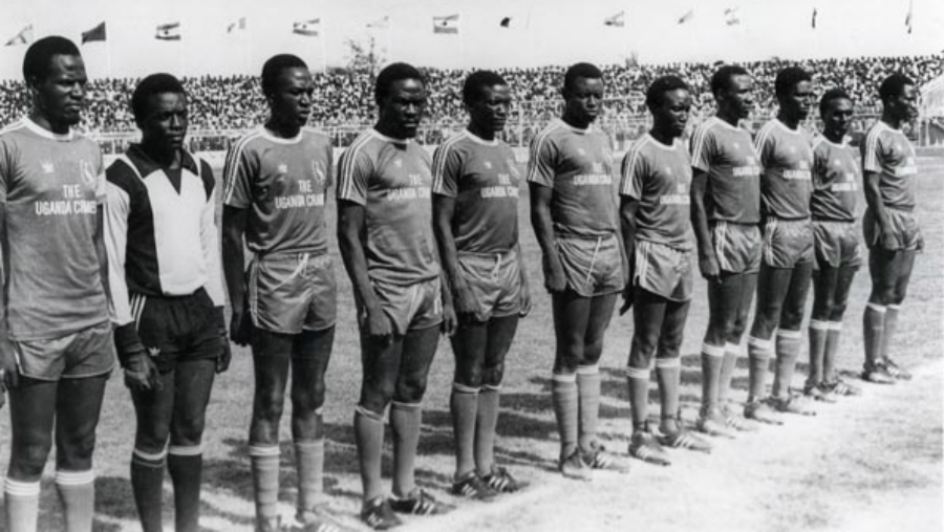
Since 1957, the Africa Cup of Nations (AFCON) has grown from a three-team event into a 24-nation spectacle.
Under the leadership of Ydnekachew Tessema, who served as the president of the Confederation of African Football until 1987, the tournament gained immense international prestige and began attracting global scouts.
The competition has often mirrored the continent’s political journey. Ghana’s first president, Kwame Nkrumah, enthusiastically supported the national team’s successful title bids in the 1960s to foster national identity.
In 1996, South Africa’s victory became a powerful symbol of reconciliation following the end of apartheid. However, political tensions have also caused tragedy. In 2010, the Togo team bus was attacked by separatist gunmen while travelling through the Angolan exclave of Cabinda.
This violence resulted in the deaths of a driver and two team officials, leading the Togolese players to withdraw from the competition.
Statistically, Egypt remains the most successful nation with seven titles. Although scheduling often changes due to weather or FIFA fixtures, the tournament remains a vital cultural event. As the competition continues, it serves as a primary platform for showcasing talent and building unity across diverse populations.
Image Credit: Source






















Go Social
SocialNew Social Releases – Check them out NOW! N$3/day subscription
TikTok Content
SocialNew content for your TikTok - Watch NOW!
Weird ’n Wacky
FunHilarious video clips featuring animals, sports, food, & more!
Status Hub
SocialTrend on WhatsApp with these statuses!
Social Trending
SocialWant Top Trending Stickers and WhatsApp Stories!?